
Apartments and Shared Drains in the Shire
Cronulla and Miranda have plenty of unit blocks and strata. How shared stacks and drains work, who is responsible, and the holiday-let angle near the beach.
By the Cronulla Plumbers teamPublished 12 June 2026
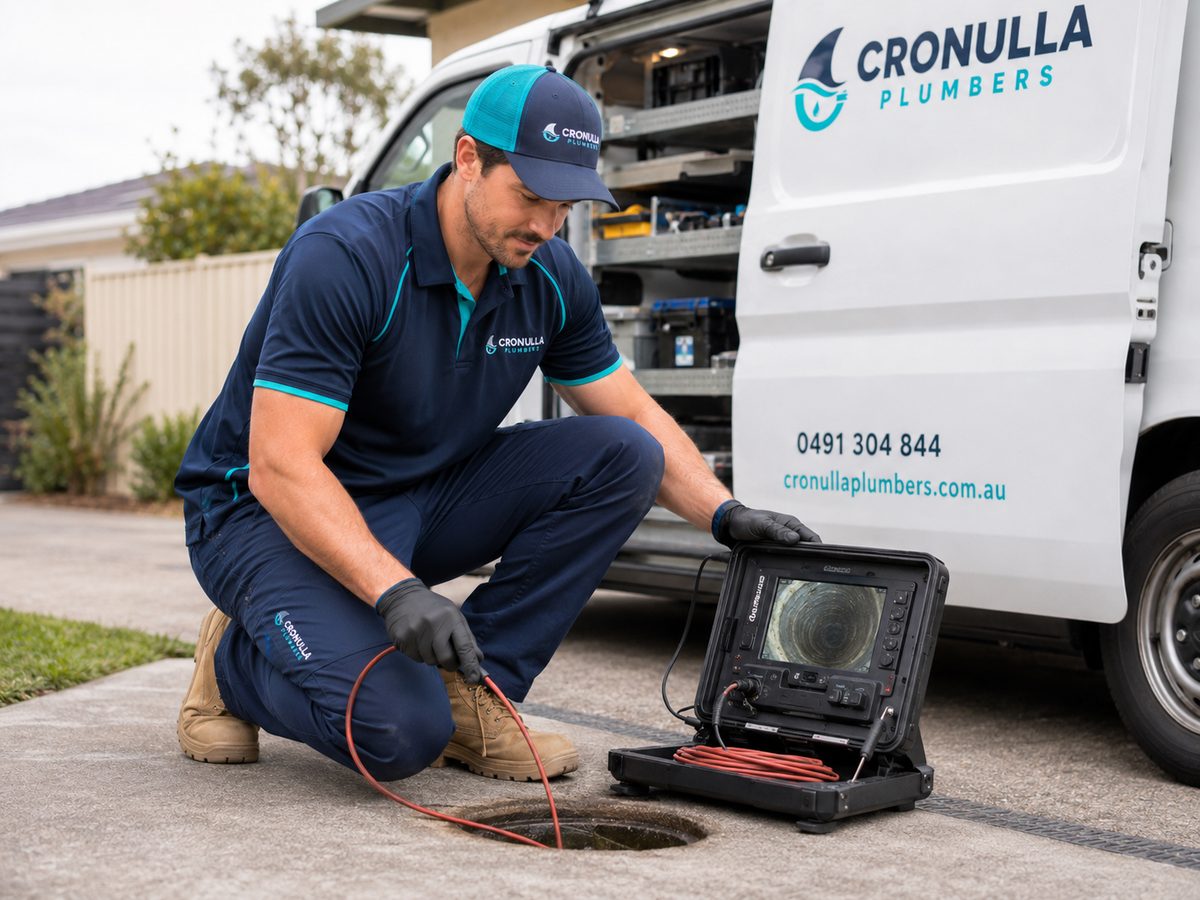
Apartment living in the Shire
The Shire is not all freestanding houses. Cronulla has beachfront apartments and unit blocks along the Kingsway and The Esplanade, Miranda has a great deal of unit and townhouse stock around Westfield and the station, and Caringbah has blocks near its station too. Living in or owning an apartment brings a plumbing question a house owner rarely faces: a lot of the pipework is shared, and when something goes wrong the first job is often working out whose problem it actually is.
This guide explains how shared drainage works in a unit block, where the responsibility usually falls between the individual owner and the owners corporation, and the extra wrinkle that holiday lets and short stays add near the beach. It is a general picture rather than legal advice, because the detail sits in each building’s strata arrangements and by-laws, but it will help you know what you are dealing with when a drain backs up.
How shared stacks and drains work
In a typical unit block, each apartment has its own fixtures and the short branch pipes that serve them, but those branches all feed into shared vertical pipes, the stacks, that run down through the building, and then into common drainage that carries everything out to the sewer. The same goes for water supply coming in and, often, for stormwater. So the kitchen sink in your apartment is yours, but the stack it drains into is shared with the apartments above and below you.
This matters because of how blockages behave. A blockage in your own branch pipe shows up only in your apartment and is usually your fixture, your problem. A blockage down in a shared stack or the common drain shows up across several apartments at once, and is a common-property issue. The classic sign of a shared blockage is water or waste backing up into the lowest apartment, often the ground floor, when someone higher up uses their kitchen or bathroom. If a gurgle or a backup appears whenever a neighbour runs water, you are almost certainly looking at a shared line rather than your own.
Who is responsible
As a general rule in a strata building, an individual owner is responsible for the fixtures and pipework that serve only their own lot, while the owners corporation is responsible for common property, which usually includes the shared stacks, common drains, and the pipes that serve more than one lot. So a blocked basin waste in your bathroom is typically your cost, while a blocked main stack affecting three apartments is typically a common-property matter for the owners corporation and its strata manager to arrange.
The line is not always obvious, and it is set by each building’s strata records and by-laws, so the honest answer is often that it needs checking rather than assumed. What helps enormously is evidence of where the blockage actually is, which is exactly what a CCTV camera inspection provides. Being able to show that a blockage sits in the shared stack, not in one apartment’s branch, settles a lot of who-pays questions quickly and fairly. When we attend a strata drain, clear reporting on what we found and where matters as much as the clearing itself.
The holiday-let angle near the beach
Near Cronulla beach in particular, a lot of apartments are holiday lets and short stays, and that changes the plumbing picture in a couple of ways. Usage is heavier and more variable, with different guests every week, which means more of the things that block drains, wipes, fats, foreign objects, cotton buds, ending up where they should not. Blockages tend to cluster in the busy summer holiday season when the buildings are full, which is also the hardest time to get them dealt with quickly.
For owners and managers of short-stay apartments, the practical lessons are to head off the avoidable blockages and to have a plan for the ones that still happen. Clear guidance for guests about what not to put down the drains helps. Knowing where the apartment’s isolation valves are, so water can be shut off fast if a fitting lets go while the place is occupied, matters more with strangers in the property. And having a plumber who can attend an occupied holiday let and tell you the real wait time, rather than leaving guests with an out-of-order bathroom and no answer, is worth arranging before the busy season, not during it.
What to do when a drain backs up in a unit
When a drain plays up in an apartment, a calm, ordered approach sorts out both the fix and the responsibility.
- Note whether the problem is confined to your apartment or appears when neighbours use water, which points to your branch versus a shared line
- Stop adding water to the affected fixtures so a backup does not overflow while it is being sorted
- If it looks like a shared line, notify the strata manager or building manager, because common-property drainage is their arrangement to make
- For your own branch blockage, a plumber can clear it, and a camera inspection confirms the cause if it keeps returning
- Keep the report and any camera footage, since it establishes where the blockage was and who it belongs to
- For a holiday let, make sure whoever manages it knows where the isolation valves are and who to call
Common questions
My apartment drain is blocked. Is it my cost or the strata’s?
It depends on where the blockage is. A blockage in the pipework serving only your apartment is generally your responsibility, while a blockage in a shared stack or common drain that affects more than one lot is generally common property and the owners corporation’s arrangement. Each building’s strata records set the detail, and a camera inspection showing where the blockage sits helps settle it.
Why does waste back up into my ground-floor unit when upstairs runs water?
That is the classic sign of a blockage in the shared stack or common drain rather than your own pipework. Waste from the upper apartments cannot get away past the blockage, so it backs up at the lowest point, which is your unit. It is usually a common-property issue for the owners corporation, and a camera inspection will confirm where the blockage is.
I run a holiday apartment in Cronulla. How do I avoid blocked-drain callouts?
Most short-stay blockages come from things guests put down drains and toilets that should not go there, so clear guidance helps, as does keeping the drains clear before the busy summer season. Make sure whoever manages the property knows where the isolation valves are and has a plumber to call, so an occupied apartment with a blockage is dealt with rather than left.