
Planning a Bathroom Renovation Near the Coast
Renovating a bathroom near the coast? Waterproofing, salt-resistant tapware, ventilation for coastal humidity, and the plumbing compliance you need.
By the Cronulla Plumbers teamPublished 30 June 2026
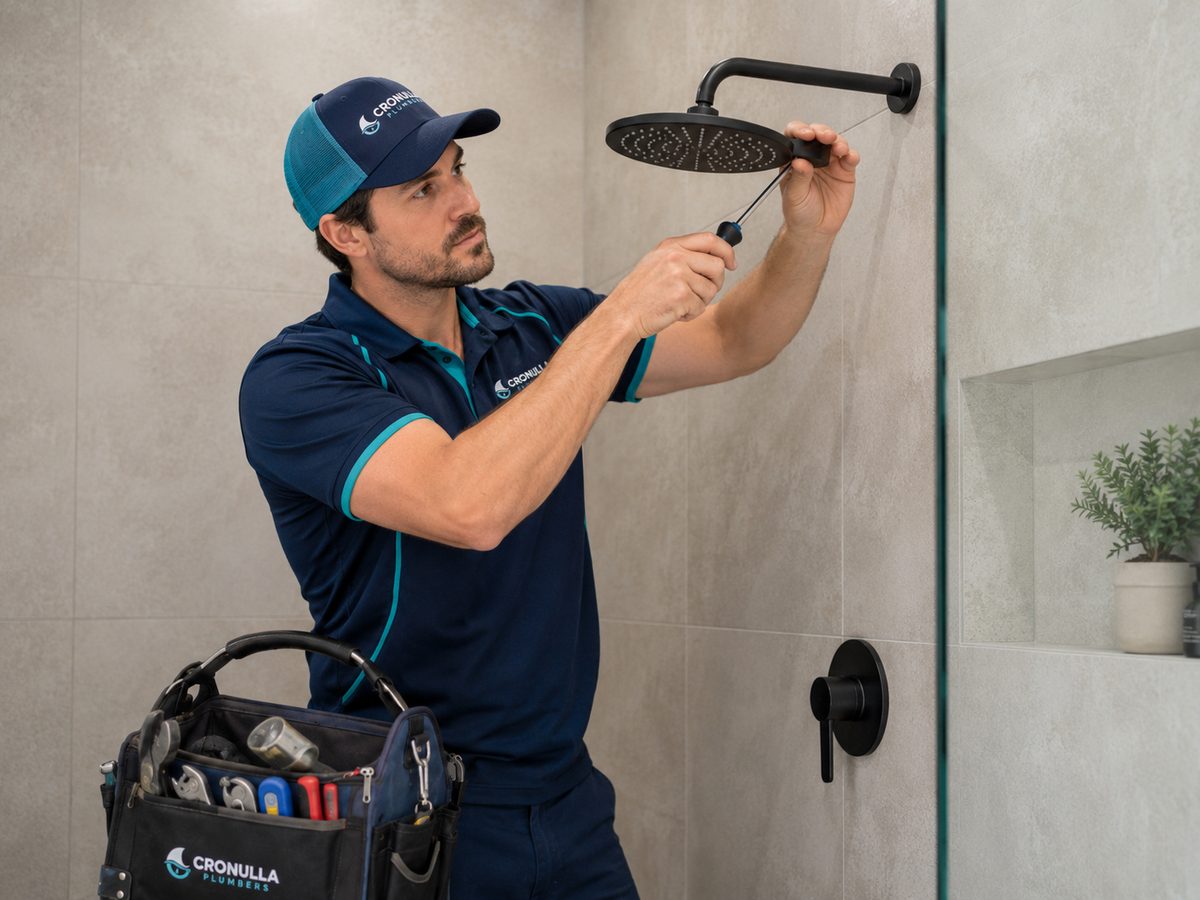
A coastal bathroom has to fight two things: water and salt
Every bathroom has to manage water. A bathroom near the beach or the bay has a second enemy that an inland one does not: salt. Sea air carries it in through open windows and vents, it settles on chrome and brass, and it works into the moving parts of tapware and the fixings that hold everything up. A renovation is your one chance to build a bathroom that stands up to both, and the decisions that decide how well it ages are made early, before the walls close up.
We renovate bathrooms across Cronulla, Burraneer, Sylvania and the rest of the Shire, from fibro beach cottages a couple of streets from the sand to waterfront homes on Gunnamatta Bay and the Sylvania Waters canals. The closer to the water, the more the coastal factors matter, and the more it pays to plan for them rather than discover them a few years in.
Waterproofing is not the place to save
The waterproofing membrane is the single most important part of a wet area, and it is completely hidden once the tiles are on. Done properly, it keeps water inside the shower and the floor where it belongs, off the framing and away from the rooms next door. Done in a hurry, it is the fault that shows up as a musty smell, lifting tiles or a damp patch on the far side of the wall, long after everyone has forgotten the renovation, and fixing it means pulling the room apart again.
Membranes need their proper cure time before tiling starts, and near the coast, where humidity stays high, that time is not something to squeeze. This is one of the reasons a bathroom cannot be rushed through as a single job. The waterproofer works between the plumbing rough-in and the tiler, and the schedule has to respect the drying, or the whole wet area is compromised. It is the most expensive kind of false economy there is.
Choosing tapware and finishes that survive salt air
Tapware is where coastal homes see the difference first. Cheap plated fittings can pit and cloud within a couple of years a few streets from the beach, while quality tapware with a durable finish holds up far longer in the same spot. It is worth asking about the finish and how it handles marine conditions before you commit, because the tap that looks identical in the showroom may not wear the same way on a salt-exposed wall.
A few habits help the whole room last. Solid, corrosion-resistant fixings for anything wall-mounted. Quality mixer cartridges that will still be available to replace in a decade. And a simple maintenance point worth building in from the start: rinsing salt off tapware and wiping it down keeps finishes looking new for years longer. None of this is exotic, it is just the difference between specifying for the coast and specifying as though the bathroom were inland.
The plumbing stages: rough-in to fit-off
The plumbing in a bathroom renovation happens in stages, not in one visit. First we disconnect and make safe the old water, waste and gas. Then comes rough-in, where all the concealed pipework goes in: the water lines to each outlet, the waste pipes at the correct fall, and the drainage for the shower, bath, basin and toilet. Once rough-in is signed off, the room passes to the waterproofer and tiler.
Because rough-in fixes every pipe position permanently, your fixture choices have to be final before it starts. The exact basin, the exact wall mixer, the exact toilet suite and shower position all decide where the pipes sit. Changing your mind after rough-in means cutting open finished, waterproofed, tiled surfaces, which is slow and costly. Fit-off is the last stage: taps, mixer, toilet, wastes, shower rail and any tempering valve go on, and every fixture is run and checked under working pressure before we hand the room back.
Ventilation and coastal humidity
The Shire is humid, and a bathroom that cannot clear its moisture grows mould, lifts paint and rusts fixings from the outside. Good ventilation is part of the plumbing conversation because it protects everything the plumbing installs. An effective exhaust fan ducted to the outside, rather than just into the roof space, makes a real difference, and it matters more the closer you are to the water, where the outside air is already damp and salty.
It is worth thinking about airflow alongside the fixtures rather than as an afterthought. Where the fan sits, how the room gets fresh air, and how quickly the shower clears after use all affect how long the finishes, the fixings and the waterproofing last. A well-ventilated coastal bathroom simply ages more slowly than a sealed, steamy one.
The compliance side: your Certificate of Compliance
Bathroom plumbing is licensed work in New South Wales, and most of it is notifiable, which means it has to be done by a licensed plumber who issues you a Certificate of Compliance for the plumbing and drainage. NSW Fair Trading administers the scheme under the Plumbing and Drainage Act 2011, Sydney Water is the network utility, and the work has to meet the Plumbing Code of Australia. The certificate is your evidence the work was done properly, and it matters for insurance and when you sell.
We handle that paperwork as part of the job rather than treating it as an extra, and we quote each stage before it starts so there are no surprises. If your bathroom sits near a seawall, a canal or the foreshore, some external changes can also touch Sutherland Shire Council rules, and we will flag anything like that early so it is sorted before the work, not after. Plan the compliance in from the start and the whole renovation runs cleaner.
Common questions
Does a bathroom near the beach really need different tapware?
It benefits from it. Salt air pits and clouds cheaper plated finishes within a few years close to the water, while quality tapware with a durable, corrosion-resistant finish holds up far longer in the same spot. Ask about the finish and marine suitability before you commit, and rinsing salt off the fittings keeps them looking new for longer.
Why can a bathroom renovation not be done in one visit?
The plumbing runs in stages that depend on other trades. Rough-in installs the concealed pipework before the waterproofer and tiler, and fit-off installs the visible fixtures at the end. The waterproofing membrane also needs its cure time, which cannot be rushed, especially in coastal humidity, so the stages are spread across the build.
Do I get a Certificate of Compliance for a bathroom renovation?
For notifiable plumbing and drainage work in New South Wales, yes. Your licensed plumber must issue a Certificate of Compliance and give you a copy. Keep it with your renovation records, as it is your evidence the work meets the standards and it matters for insurance and resale. NSW Fair Trading explains the scheme on its website.