
Plumbing in Older Fibro and Weatherboard Beach Homes
The original fibro and weatherboard beach cottages of the Shire carry aged pipework and salt-worn fittings. What to expect, and renovation realities.
By the Cronulla Plumbers teamPublished 20 May 2026
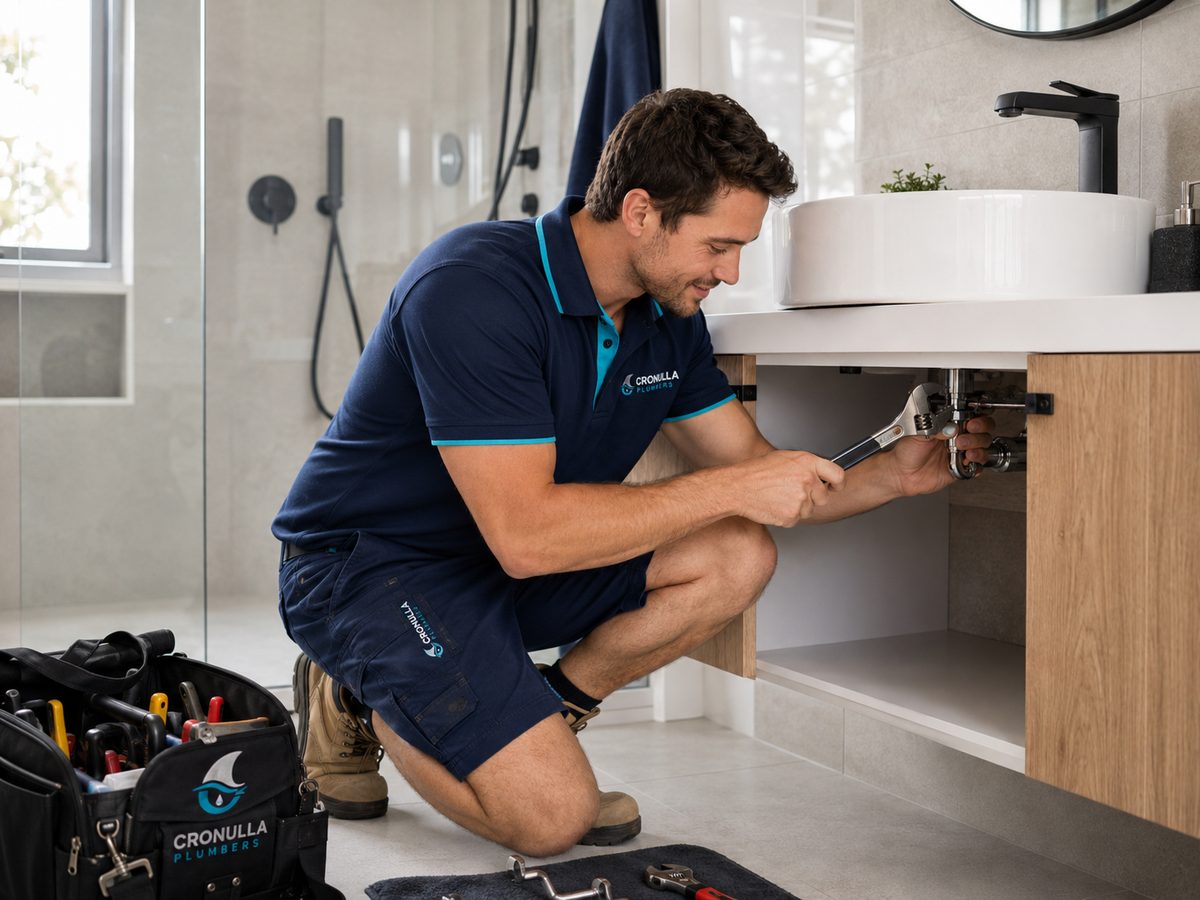
The original beach cottages
Before the brick homes and the coastal rebuilds, the Cronulla peninsula was a place of modest fibro and weatherboard beach cottages, the classic Australian beach shack. A good number of them survive, tucked among the newer builds in Cronulla and in pockets across Woolooware and the older bayside streets. They have enormous charm and, often, an original position close to the water that a new home could never get. What they also have is some of the oldest and most weathered plumbing in the Shire.
Owning one of these cottages, or buying one to do up, means taking the plumbing as you find it: aged pipework laid a long time ago, fittings that have spent decades in salt air, and a house that was often extended or patched over the years rather than replumbed. This guide covers what tends to be lurking, and the realities of bringing a cottage’s plumbing up to modern standard.
Aged and mixed pipework
The pipework in an old beach cottage is often a patchwork of eras. There may be original galvanised steel water lines, now corroding from the inside so pressure has fallen and the water runs rusty after the house sits empty. There may be later copper added during an extension, and sometimes runs of pipe that were clearly a quick fix at some point in the past. Joins between different materials and generations of work are common weak points, and on a cottage close to the beach, salt air has been working on every exposed fitting the whole time.
The practical consequence is that repairs on a cottage can uncover more than the original fault. Chase a leak in an old galvanised run and you often find the rest of the run is not far behind, which is why patching one section is frequently a short-term measure rather than a real fix. We would always rather look at the whole picture and tell you honestly whether you are managing an old system toward a future replacement, or at the point where replacing the tired runs makes more sense, than keep charging you to patch the same failing pipework.
Salt air and the outdoor fittings
A beach cottage, by definition, sits in the thick of the sea air, and its exposed plumbing shows it. Outdoor taps, the hot water unit, exposed valves and fixings all corrode faster here than almost anywhere, and on a cottage these fittings are often original and long overdue. Chrome tapware goes blotchy and pitted, outside stop taps and garden valves seize, and the outdoor hot water unit ages on two fronts at once, from its internal anode being spent and from the salt attacking its casing, fittings and valves.
For a cottage owner this means the outdoor and exposed fittings are usually the first things worth attention. Freeing up seized valves, replacing salt-worn outside taps rather than trying to make a new washer seal on a pitted seat, and getting an honest read on the hot water unit’s remaining life are the jobs that head off the most trouble. Choosing better-grade coastal fittings when you replace anything exposed, and rinsing salt off from time to time, buys real extra years in this environment.
Renovation realities
Most old cottages get renovated sooner or later, and renovation is the natural moment to sort out the plumbing properly. When the walls, floors or a bathroom are already open, replacing tired pipework, relocating fixtures, upgrading the hot water arrangement and putting in modern wet-area waterproofing are all far cheaper and cleaner than doing them as separate jobs later. Trying to save money by keeping old runs and working around them usually costs more in the end, because the old pipework fails soon after and the finished walls have to come apart again.
There are a couple of cottage-specific realities to plan for. Original fibro sheeting needs to be handled correctly, and any work involving older building materials should be approached with proper care and the right people, so it is worth flagging early in a renovation. New plumbing and wet-area work must meet current standards, and where it is notifiable it comes with the compliance paperwork lodged as NSW requires. Hot water, gas and drainage work is licensed in New South Wales, so it should be done by a plumber licensed by NSW Fair Trading. Planning the plumbing scope at the start of a cottage renovation, rather than discovering it midway, keeps the project on track.
A cottage owner’s short list
An old beach cottage rewards attention to the oldest and most exposed parts of its plumbing first. A few priorities cover most of it.
- Get an honest assessment of the pipework rather than patching the same old galvanised run repeatedly
- Prioritise the exposed and outdoor fittings, replacing salt-worn taps and freeing seized valves
- Have the outdoor hot water unit assessed for age, anode and coastal wear so a replacement can be planned
- If a drain blocks on a cycle, get a camera inspection and deal with the cause once
- Plan the plumbing scope at the start of any renovation, while access is open, not partway through
- Flag original fibro and older materials early so they are handled correctly by the right people
Common questions
I am buying an old fibro cottage. What plumbing should I check?
Look at the age and condition of the hot water unit, check the water pressure and whether the water runs rusty after the house has sat unused, which points to corroding galvanised lines, and look over the outdoor and exposed fittings for salt corrosion. If there is any history of blocked drains, a camera inspection is worth it. Those checks reveal most of what an old cottage is hiding.
Can I just patch the plumbing in my cottage rather than replace it?
Sometimes, for a while. But in an old cottage a leaking galvanised run often means the rest of that run is near the end too, so a patch can be a short-term measure rather than a real fix. We will tell you honestly whether patching is reasonable for now or whether replacing the tired runs, ideally during a renovation, will cost you less over time.
Is there anything special about renovating an old fibro home’s plumbing?
The plumbing side is much like any renovation: do the pipework, waterproofing and fixtures while walls and floors are open, to current standards and with the compliance paperwork where the work is notifiable. The cottage-specific point is that original fibro and older building materials need to be handled correctly by the right people, so it is best flagged early in the project.