
Stormwater and Heavy Rain in the Shire
Southerly busters and east coast lows overload Shire stormwater fast. Where the water goes, why waterfront blocks flood, and what to check before the wet.
By the Cronulla Plumbers teamPublished 9 April 2026
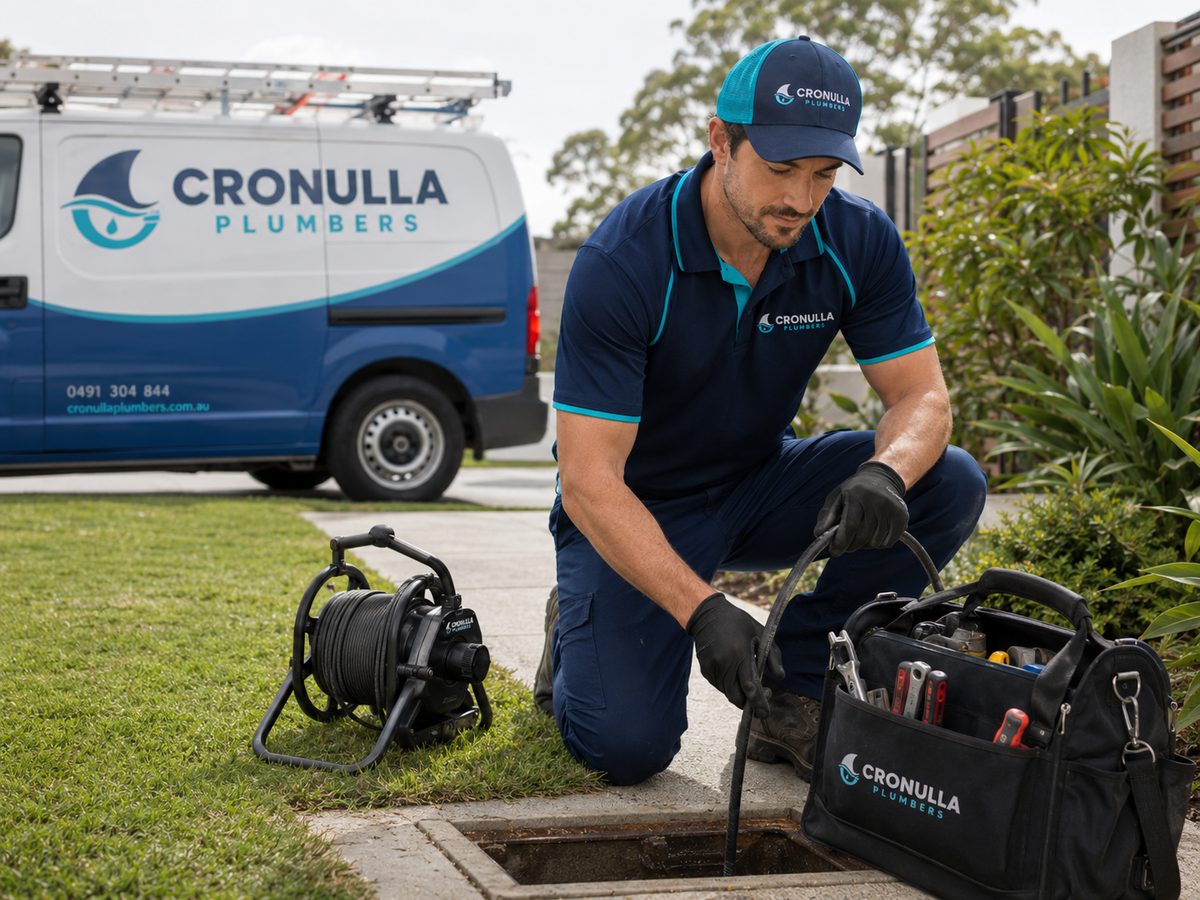
The two storms the Shire plans around
Cronulla and the Sutherland Shire get their heaviest rain from two familiar patterns, and both dump water faster than a tired stormwater system can shift it. The first is the southerly buster, a sharp change that rolls up the coast in the warmer months and can turn a still afternoon into a downpour within minutes. The second is the east coast low, the slow, soaking system that parks off the coast and rains for days, saturating the ground until there is nowhere left for the water to go.
Neither of these is unusual and neither is what actually floods most houses. What floods houses is a private drainage system that was already half blocked when the storm arrived. A gutter full of paperbark litter, a silted pit, a downpipe that came apart underground years ago. The storm is just the load test, and the parts of the system nobody has looked at are the ones that fail.
The good news is that the private side, the part you own, is the part you can prepare. This guide walks through where your stormwater actually goes, why waterfront blocks behave differently, and what to check before the wet season proper.
Where the water actually goes
Follow a drop of rain off your roof and the path is short. Gutter, then downpipe, then an underground stormwater pipe. Away from the water, that pipe runs to the street channel or a legal point of discharge, sometimes via grated pits in the paving and courtyard. The whole chain is only as good as its narrowest, most blocked point, and because it is buried, that point is usually invisible until a storm finds it.
A blockage backs water up to the weakest join in the chain. Blocked gutters overflow at the eaves and drive water under roof sheets and into wall cavities. A choked downpipe overflows at the head or splits at a joint. A blocked underground line pushes water back up through the surface pits, which is why a courtyard that turns into a pond in heavy rain is almost always an underground problem, not a surface one.
Flash flooding, low pockets and the tide
The Shire is not flat. Water runs off the higher ground around Miranda and Caringbah and collects in the low pockets near Woolooware Bay, Gunnamatta Bay, the Sylvania Waters canals and the Georges River. In those areas the public system and the ground both have less spare capacity, so a partial blockage that would go unnoticed on higher ground becomes the difference between coping and flooding.
The tide adds a factor inland plumbers never deal with. When a heavy storm coincides with a high or king tide, the bay and river sit higher than usual and the stormwater system cannot drain freely into them. Water that would normally run away simply has nowhere to go for a few hours. There is nothing to fix in that scenario, but it is the reason a marginal drain that copes in an ordinary shower fails in the wrong storm, and it is why clearing the private system matters most in exactly these streets.
Waterfront blocks and seawall discharge
On the waterfront properties of Burraneer, Sylvania Waters, Caringbah South and the bay side of Cronulla, stormwater often does not go to the street at all. It discharges through the seawall to the water, through outlets that sit close to the tide line and cop salt, sand and marine growth continuously. Those outlets block and corrode in ways a suburban street connection never does, and a seawall outlet that has silted or grown over sends the backed-up water into the yard, the boatshed or under the house instead.
Waterfront drainage also has to contend with the water pushing back the other way. Poorly maintained flap valves and outlets can let tidal water and debris travel up the line. If your block runs its stormwater to a seawall or a jetty area, that outlet needs checking before the wet as much as any gutter does, and the buried line behind it is licensed plumbing work if it turns out to be blocked or broken.
What to check before the wet
Most of this is safe, legal DIY, and the best time to do it is a dry day in autumn before the heavier rain settles in. If anything on the list points below ground, that is where the DIY stops and a camera earns its keep.
- Clear gutters and valley irons of paperbark, palm and leaf litter, and pull the debris out rather than flushing it into the downpipes
- Run a hose down each downpipe and confirm the water reaches the street, discharge point or seawall outlet freely
- Lift every surface pit, scoop out the silt and sand, and check the outlet pipe is visible
- On waterfront blocks, inspect the seawall outlet and any flap valve for blockage, corrosion and marine growth
- Watch the block in the next ordinary rain and note anywhere water pools near a wall, a door or the garage
- Book a CCTV inspection if a pit drains slowly in dry weather or the property flooded last season
When it is time for a camera
If the hose test backs up, a pit will not drain, or the house floods in rain the neighbours shrug off, the problem is in the buried pipework and guessing is expensive. Older stormwater lines around the Shire are often earthenware or early PVC, laid in short sections with joints that shift in sandy ground and let roots in. Sand and silt settle in any pipe with poor fall until a leaf load finishes the job.
We send a CCTV camera down the line first so the cause is visible rather than assumed, then clear organic blockages and cut roots with high-pressure jetting and confirm the result on camera. If a section has collapsed or lost its fall you see the footage before we quote, and any repair comes with a fixed price up front. Under the Plumbing and Drainage Act 2011, this below-ground work is licensed plumbing, so the surface prep is yours and the buried pipe is ours. Getting it sorted before the wet is always cheaper than getting it sorted with water already under the door. We look after stormwater across Cronulla, Woolooware, Burraneer, Caringbah, Miranda and Sylvania.
Common questions
Why does my yard flood only in some storms and not others?
Usually a mix of storm intensity and timing. A southerly buster or east coast low delivers more water than a light shower, and if it lands on a high or king tide the stormwater cannot drain into the bay or river freely. A partly blocked private line copes in ordinary rain and fails in the heavier, badly timed storm. Clearing the private system is what you can control.
My property drains to a seawall. Who maintains that outlet?
The private stormwater line and its seawall outlet on your block are generally yours to maintain, while Sydney Water and Sutherland Shire Council look after the public system. Seawall outlets silt up and corrode in the salt and tide, so they need checking before the wet. If the buried line behind the outlet is blocked or broken, that is licensed plumbing work and we can inspect it with a camera.
Can clearing my gutters really stop the house flooding?
Often, yes. A surprising share of the storm flooding we attend traces back to blocked gutters, silted pits or a disconnected downpipe rather than a failed underground pipe. A clear surface system means the buried pipes only ever carry water, and water alone rarely blocks a sound pipe. Where the underground line is the problem, a camera shows it and we quote the fix before starting.