
Trees and Sewer Lines in the Sutherland Shire
Figs, paperbarks, palms and banksias find the joints in older earthenware sewers across the Shire. Why roots block drains, and how a camera and reline fix it.
By the Cronulla Plumbers teamPublished 28 June 2026
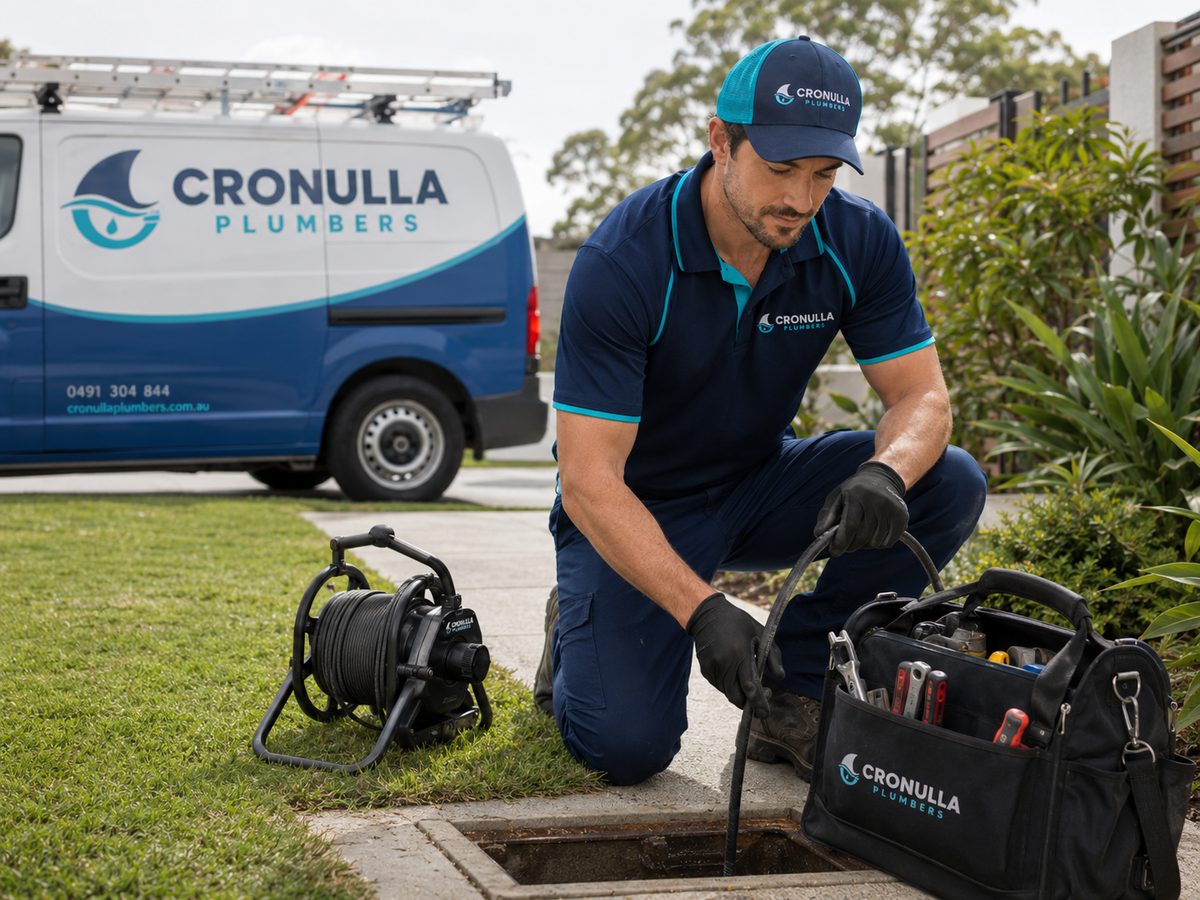
The most common blocked drain there is
Across the Sutherland Shire, the single most common cause of a blocked sewer is tree roots. It is not a sign of neglect and it is not bad luck, it is simply what happens when the mature trees the Shire is full of meet the older jointed drains that run beneath so many of its homes. If your drain blocks on a regular cycle, most often in the cooler, wetter months, roots in the sewer are the first thing to suspect.
The Shire has the trees to cause it. Fig trees, with their famously aggressive roots, paperbarks and other melaleucas that love damp ground, palms, banksias and the street trees along the verge all send roots looking for water. In a suburb full of gardens and established plantings, and drains that were laid decades ago, roots and pipes are always going to find each other. This guide explains how it happens and, more importantly, how it gets fixed for good rather than cleared over and over.
Why roots get into the pipe
Older Shire homes, particularly around Caringbah and the established parts of Cronulla, drain through earthenware, or vitreous-clay, sewer pipe. It was laid in short sections joined end to end, and while the pipe itself lasts a long time, the joints are the weak point. The sandy coastal soil shifts and settles, and there is clay in pockets away from the water that moves as well, and over the years the joints ease open a fraction. That is all a root needs.
A sewer pipe is warm, moist and full of exactly the nutrients a tree wants, so roots grow toward the tiny amount of moisture and vapour escaping at a slightly open joint. A single fine root finds its way through the gap, and once inside the pipe it thrives and thickens into a fibrous mat. That mat catches toilet paper, wipes and waste flowing past, and gradually chokes the pipe until it blocks. Because the roots come back from the same entry point after any clearing, the blockage returns on a schedule, which is the tell-tale sign you are dealing with roots rather than a one-off.
Clearing is temporary, so find the cause
When a root-blocked drain is cleared with an electric eel or a high-pressure water jetter, the machine cuts through the root mat and gets the drain flowing again. That is genuinely useful for getting a household back to normal, but it is important to understand that it does not solve the problem. The roots are cut back, not removed at the source, so they regrow from the same entry point and the drain blocks again months later. Clearing alone is a treatment for the symptom, not a cure.
The step that changes things is seeing what is actually going on, and that means a CCTV camera inspection. We put a camera through the drain and watch, on screen, exactly where the roots are entering, how many entry points there are, and what condition the surrounding pipe is in. That footage turns guesswork into a clear picture: you can see whether you have one bad joint or a run of them, and whether the pipe is otherwise sound or breaking down. It is also the honest basis for quoting a permanent fix, because you are looking at the same evidence we are.
The permanent fixes: reline or replace
Once the camera has shown where the roots are getting in, there are two lasting fixes, and the footage decides which one suits. Where the pipe is structurally sound and the trouble is roots at the joints, relining is usually the answer. A resin-saturated liner is installed inside the existing pipe and cured in place, forming a smooth, jointless new pipe within the old one. It seals every joint the roots were using, so there is nowhere left for them to enter, and it is done without digging up the garden, which matters on a nicely established Shire block.
Where a section of pipe has collapsed, lost its fall or broken up too badly to reline, excavating and replacing that section is the right call. Sometimes the answer is a mix: reline the sound runs and dig up the one section that is beyond it. Either way, the aim is the same, to remove the root entry points so the annual blockage stops being part of your year. It also helps to think about what is planted near the sewer line: keeping the most aggressive-rooted trees, figs in particular, well away from drains avoids setting up the next problem.
What to do if your drain blocks on a cycle
A drain that blocks again and again is telling you something, and there is a sensible way to respond to it.
- Treat a repeat blockage as a sign of roots in the sewer, not a run of bad luck
- Get the drain cleared to restore flow, but do not stop there if it keeps coming back
- Have a CCTV camera inspection to locate the root entry points and check the condition of the pipe
- Use the footage to decide between relining the affected run or excavating and replacing a failed section
- Keep the aggressive-rooted trees, especially figs, well clear of the sewer line, and think before planting new ones near it
- Keep the camera footage and report, which is useful for owners, for strata and for future reference
Common questions
Why does my drain block at the same time every year?
That regular cycle is the signature of tree roots in the sewer. Roots enter at a joint in the older earthenware pipe and grow into a mat that catches waste until the drain blocks. Clearing cuts the roots back but they regrow from the same point, so the blockage returns on a schedule. A camera inspection and a reline or repair of the entry points is what stops the cycle.
Which trees cause the most blocked drains in the Shire?
Figs are the notorious ones for aggressive, water-seeking roots, but paperbarks and other melaleucas, palms, banksias and street trees all send roots toward the moisture at a leaking sewer joint. In a suburb full of established gardens and older jointed drains, roots and pipes tend to find each other regardless of the exact species.
Do I have to remove the tree to stop the roots?
Usually not. The lasting fix is to seal the pipe so roots have nowhere to enter, which relining achieves without touching the tree, or to replace a failed section. Removing a valued tree is rarely necessary just to fix the drain. It is still wise to keep the most aggressive-rooted trees away from the sewer line and to think carefully before planting new ones near it.